Healthy food is not one look.
It is not always a salad. It is not always a bowl. It is not always the thing that photographs clean.
That matters, because a lot of nutrition advice still behaves as if health has a fixed visual style: bright greens, perfect prep containers, tidy bowls, the right counter, the right light. Those meals can be great. They are just not the whole story.
According to the World Health Organization, healthy diets "come in many forms." The core principles are adequacy, balance, moderation, and diversity. The exact version changes with culture, locally available foods, dietary customs, preferences, health needs, and real life.
That is a very different frame from asking whether a meal looks like health food.
Pattern beats performance
A single meal rarely tells the whole truth.
Pizza during the game is not the same as a dietary pattern built mostly on ultra-processed food. Ice cream with someone you love is not the same as ignoring blood sugar, hunger, symptoms, budget, sodium, fiber, or protein for weeks.
The point is not that every food is nutritionally identical. It is that context matters.
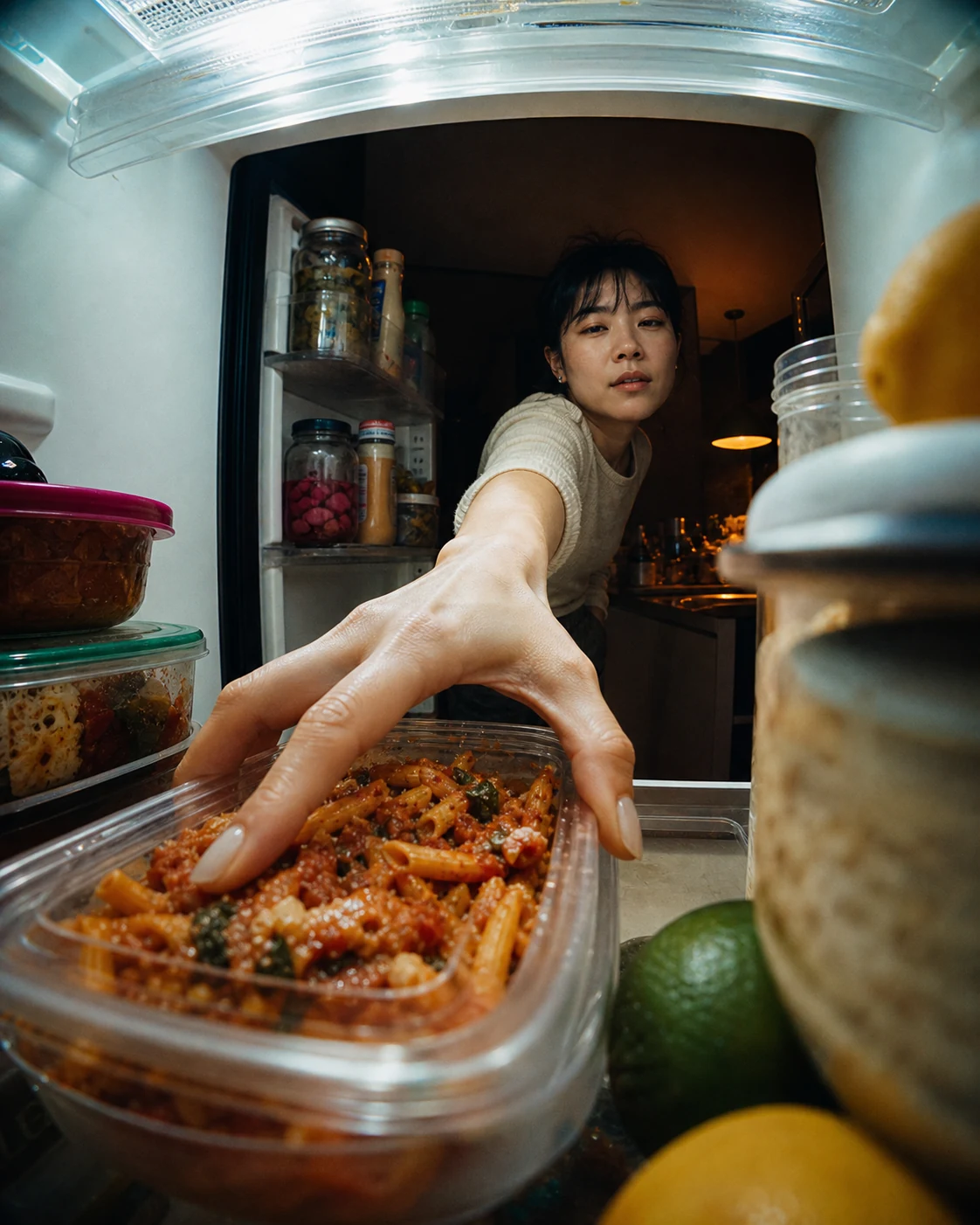
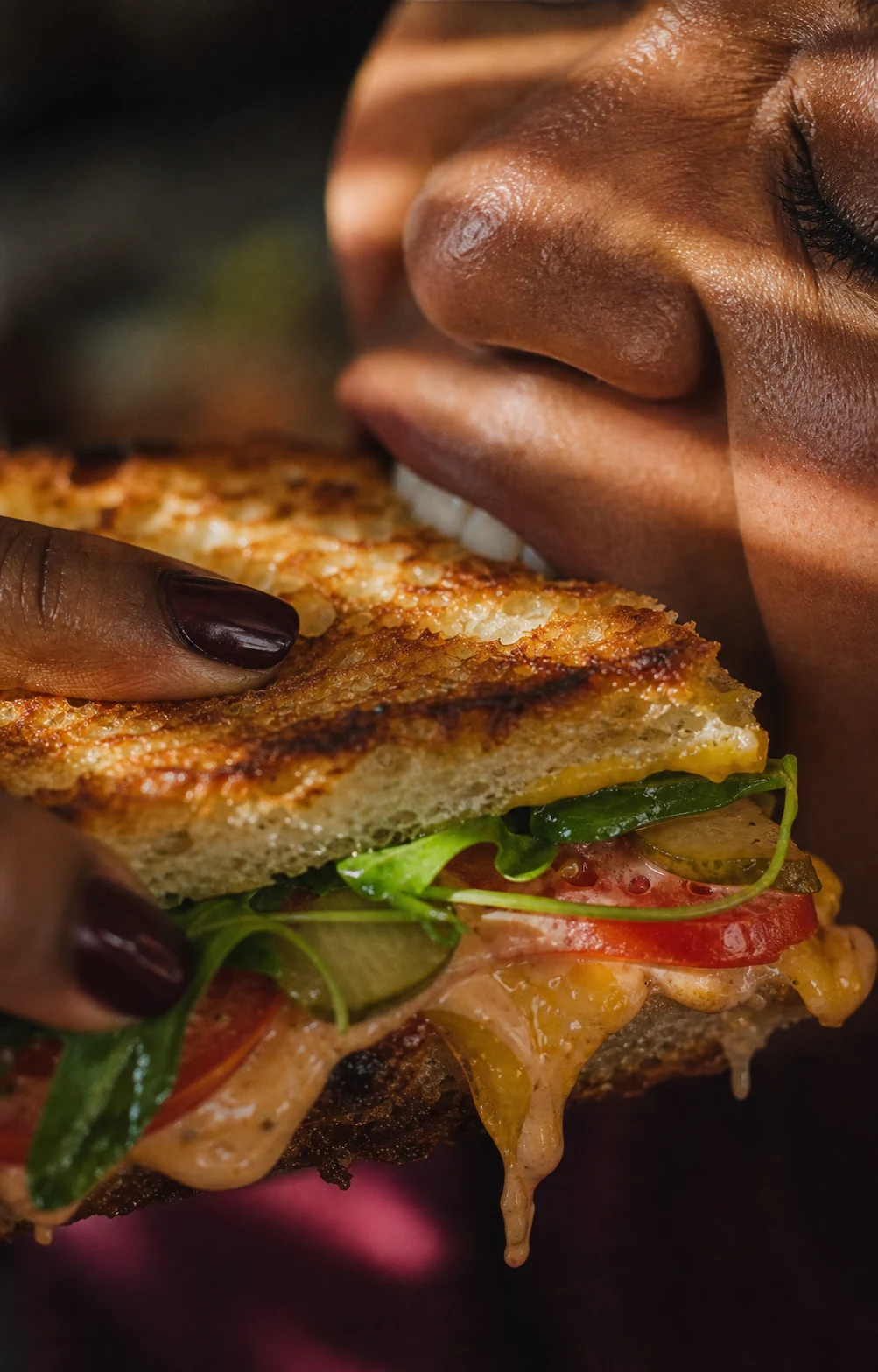
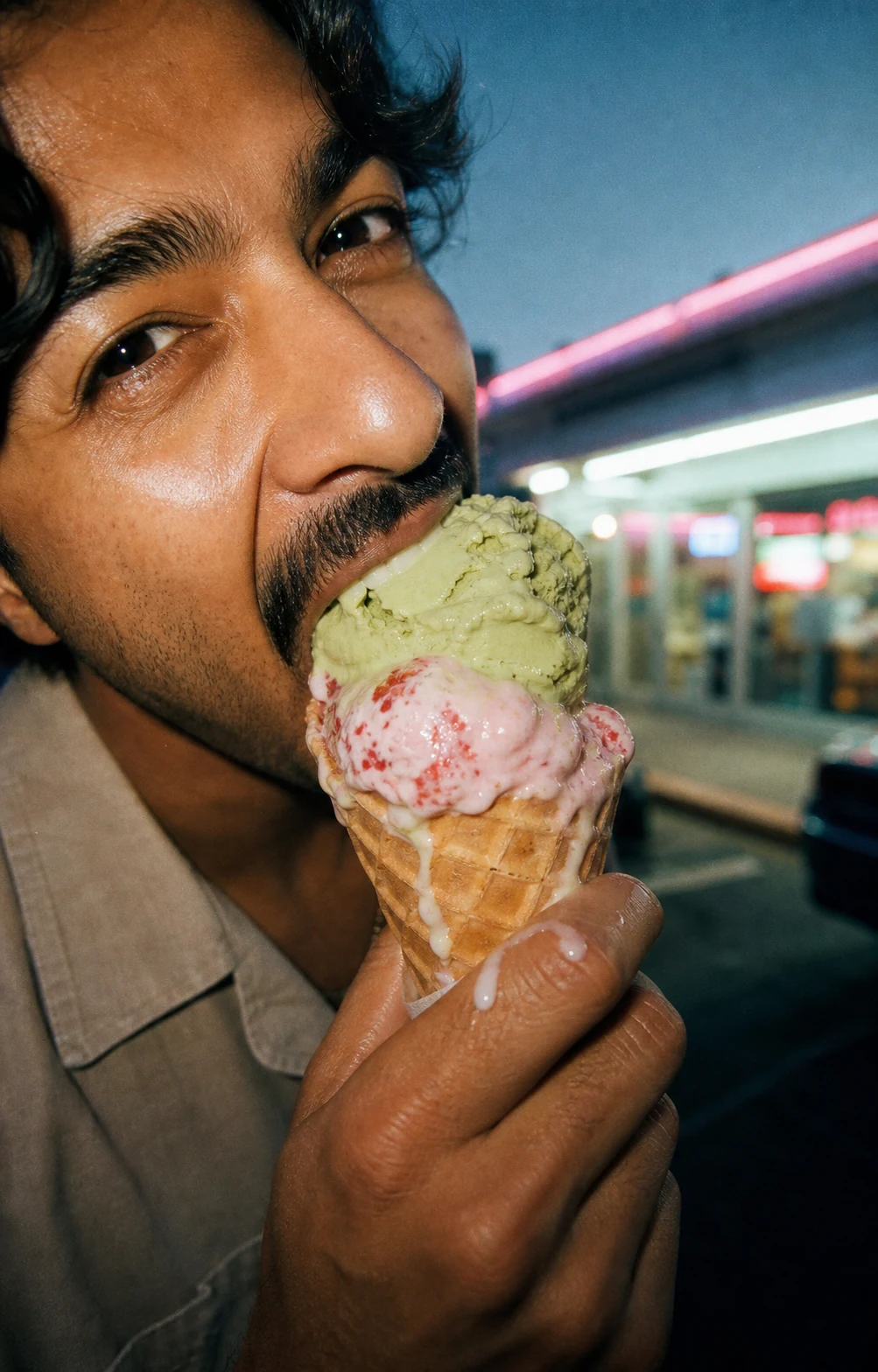
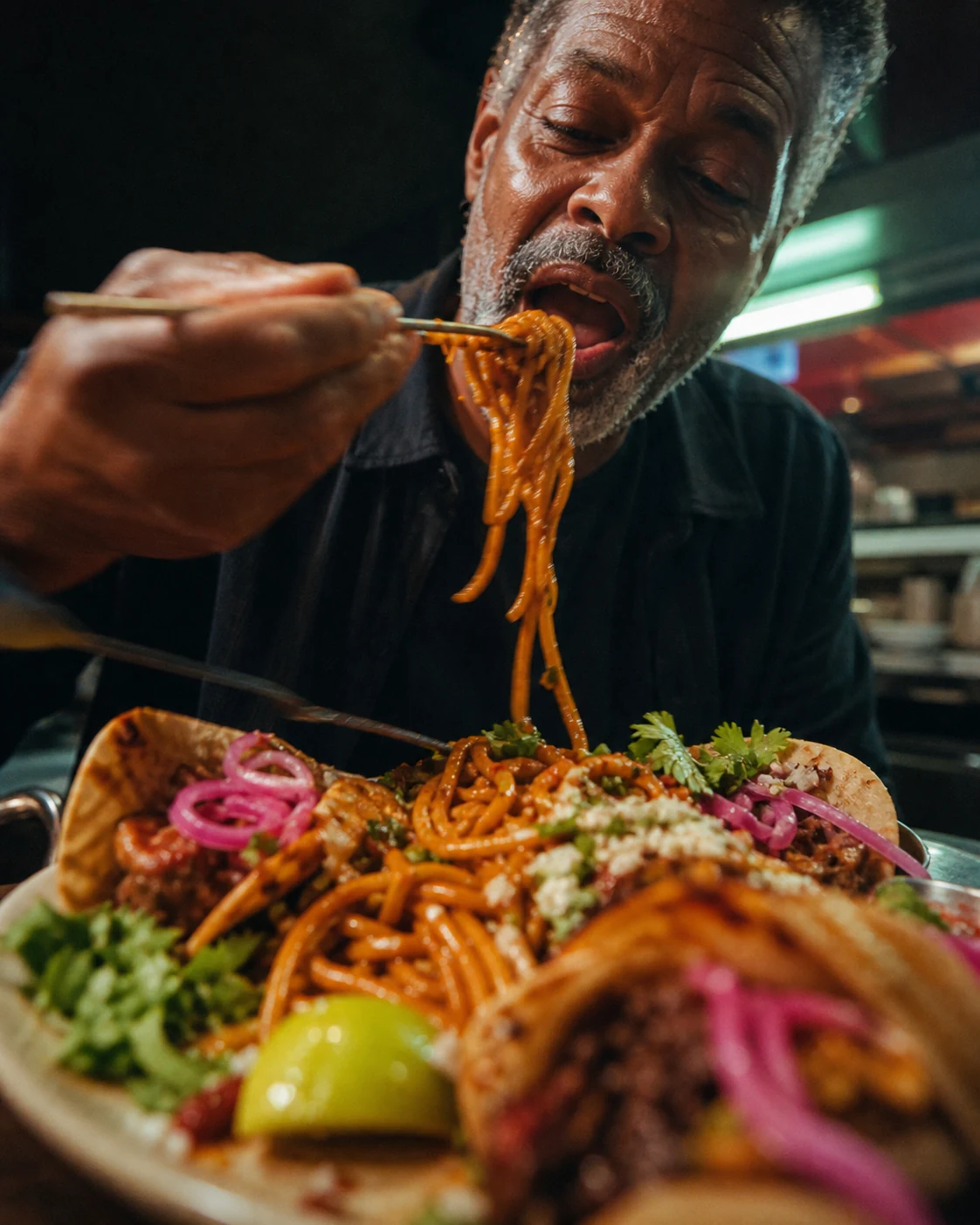
A healthy pattern can include pizza during the game. A sandwich between meetings. Leftovers at midnight. Noodles with sauce. Ice cream with someone you love.
It can also include lentils, yogurt, rice, eggs, stews, tacos, soups, fish, beans, fruit, frozen vegetables, takeout with better choices, and meals that are ordinary enough to repeat.
Culture is not a side note
Food guidance gets weaker when it treats culture as an exception.
The WHO guidance is explicit that healthy diets vary by cultural context, local food availability, and dietary customs. That should change how nutrition products behave. A useful plan should not force every client toward the same visual template. It should understand the foods they actually buy, cook, share, avoid, crave, and return to when the week gets hard.
That does not mean evidence disappears. It means evidence has to meet the plate in front of the person.
Real life needs room
Most people do not fail nutrition because they forgot what broccoli is.
They struggle because Tuesday happens. Meetings run late. Someone else eats the leftovers. Groceries cost more than expected. The kid gets sick. The kitchen is hot. A craving is loud. A holiday meal matters. The plan was technically correct and practically fragile.
Good guidance should be able to handle those moments without turning every deviation into failure.
That is the Lumo view: food guidance that respects evidence, culture, cravings, and actual Tuesdays.
Not perfect. Not performative. Not one look forever.